tips · 6 min read
How to Substitute Yarn in Any Crochet Pattern Without Ruining It
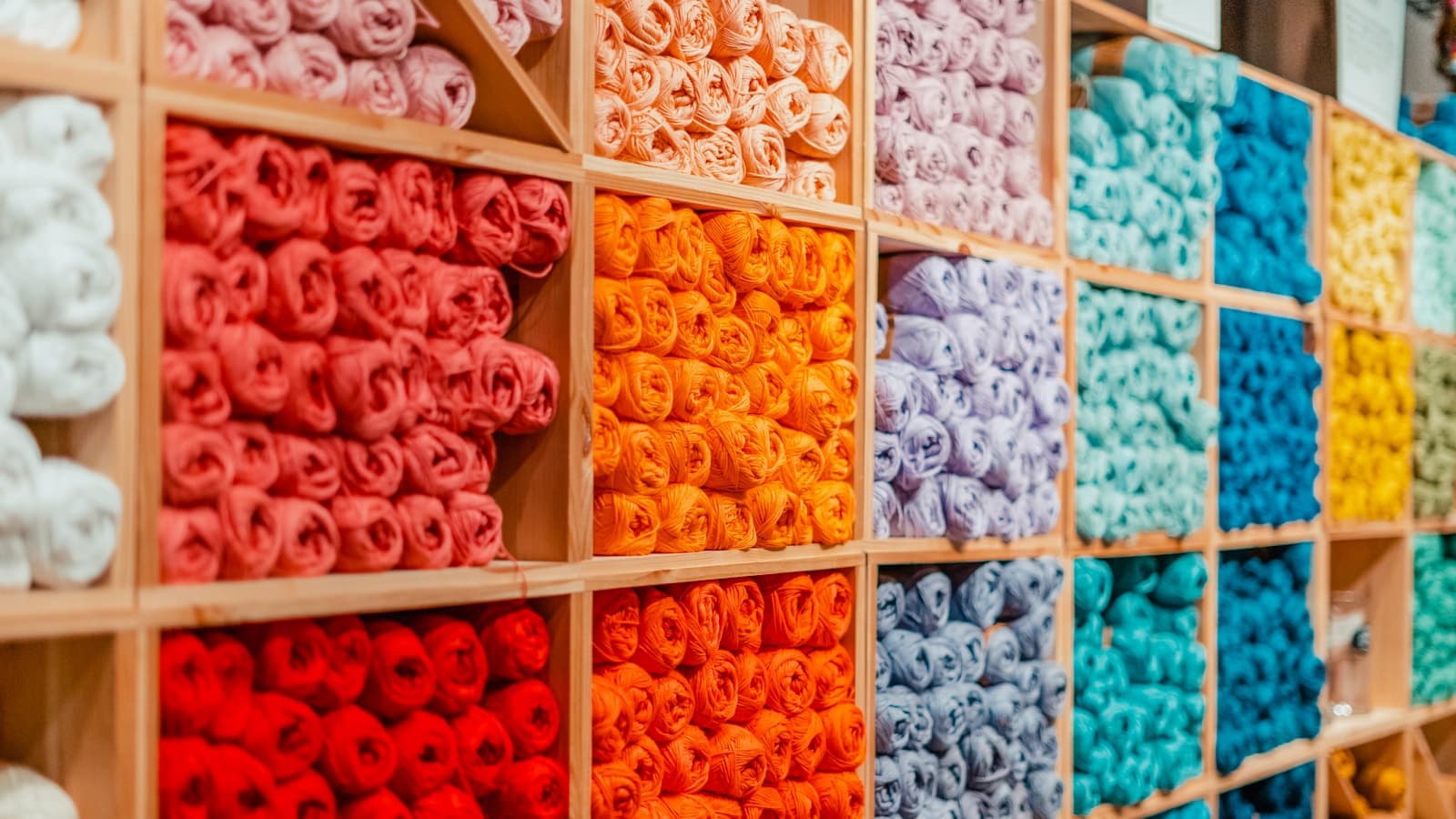
Every crocheter meets this problem in their first month: the pattern is perfect, the yarn is perfect — and the yarn is discontinued, or costs a small mortgage, or simply isn't sold anywhere near you. Substituting yarn is a normal, everyday part of crochet. It's also where most "but I followed the pattern!" disasters come from, because yarn substitution isn't a one-line swap; it's a small chain of consequences.
Here's the method I use every time, in the order that actually matters. It's four steps, and step 4 is the one people skip and then regret.
Step 1: Match the weight category — but treat it as a hint, not a guarantee
Yarn weights (the CYC 0–7 system: lace, fingering, DK, worsted, bulky, super bulky) tell you roughly how thick the yarn is. Matching the category is the necessary first move: substituting worsted for DK in a blanket will give you a stiff, oversized result no matter how carefully you crochet.
But the category is a range, not a spec. Two "worsted" yarns can differ by 30% in actual thickness, which is why the label's weight category alone can't promise your gauge will match. If you want the full picture of how weight, hook, and gauge interact, that's exactly what the yarn and hook size guide covers.
Step 2: Read the pattern's gauge swatch, then match stitches-per-inch
The pattern's stated gauge — say "16 sc × 20 rows = 4 inches on a 5mm hook" — is the real target, not the yarn category. Your job: find a yarn + hook combo that hits the same stitches-per-inch.
Practical move: bring the pattern's gauge to the yarn store (or your stash) and look for a yarn whose label gauge is the same or very close. If the label says "18 sc = 4 in" and your pattern wants 16, that yarn runs thinner — you'd need to go up a hook size and even then, test it.
If you can't match gauge exactly, match structure of the project instead: for amigurumi and bags, going slightly tighter (smaller yarn or hook) is safe — denser is fine, floppier is not. For blankets and wearables, drape matters, and a slightly looser match is more forgiving than a tighter one.
Step 3: Match the fiber to the job, not just the look
Fiber choice changes the finished object more than almost anything else. The short version:
- Wool is elastic and forgiving — springs back, hides uneven tension, blocks beautifully. Best for wearables and anything fitted.
- Cotton is strong and inelastic — dense, heavy, zero stretch, and it grows with gravity when wet. Perfect for dishcloths and bags; challenging for fitted garments.
- Acrylic is affordable, washable, and consistent, but it doesn't block into shape the way wool does, and it can look squeaky-clean-flat. Great for blankets and toys (this is what the amigurumi bunny and most beginner projects here use).
- Blends split the difference — acrylic-wool blends are the workhorse for blankets: washable with a little spring.
The classic substitution mistake: swapping a wool sweater for cotton, then wondering why the shoulders droop to the elbows. The pattern's fiber choice is doing structural work; when you change fiber, expect to also change your expectations of drape and stretch.
Step 4: Do the yardage math (the step everyone skips)
Yarn is sold by weight of the ball, but patterns need length. A 100g ball of chunky yarn is short; 100g of fingering is enormous. Before you buy:
- Find the total yardage the pattern calls for (usually stated; if not, multiply the ball yardage by the number of balls).
- Compare with the yardage per ball of your substitute.
- Buy one extra ball. Dye lots differ between batches, and "I ran out one row short" is the most preventable heartbreak in crochet. This is not pessimism; it's the standard.
One subtlety: if your gauge is slightly off (say you needed a bigger hook), your project can consume more yarn than the pattern says — another reason for the buffer ball.
The unskippable part: make a real swatch
I know. You want to start the project. But the gauge swatch is fifteen minutes that protects a forty-hour project — and it's where substitution errors surface while they're still cheap.
Chain enough for a 4-inch square in the pattern's stitch, work 6–8 rows, bind off, lay it flat (no stretching), and measure a 4-inch window in the middle. Compare to the pattern. If you have more stitches in 4 inches, your fabric is too dense: go up a hook size. Fewer: go down.
Then — and this is the part that separates a guess from a decision — wash and dry your swatch the way you'll wash the finished item. Cotton grows, wool blooms, acrylic can barely change. The swatch after the wash is the truth about your substitution; before the wash, it's just a rumor.
A worked example
Pattern wants 1,000 yards of worsted wool on a 5mm hook, gauge 16 sc = 4 in. Your stash has a cotton-acrylic blend, also "worsted," but its label says 18 sc = 4 in — slightly thinner. Plan: swatch it on 5.5mm. Swatch comes out to 16 sc = 4 in after washing. Yardage: thinner yarn means slightly more length needed per stitch — budget 10% more (1,100 yards), and since each ball has 220 yards, buy 5 balls instead of 4.5, and check the dye lot matches across them.
That's the whole discipline: category match → gauge match → fiber sanity → yardage math → swatch, washed. It reads long but takes about twenty minutes at the store, and it's the difference between "a pattern I followed" and "a thing I'm proud of."
If you're choosing between two candidate yarns for hooks to match, the hook materials comparison covers how aluminum vs bamboo changes the same gauge math. And if your swatch still refuses to cooperate, the mistake-fixing guide covers the usual suspects.
Frequently Asked Questions
Can I substitute a different fiber (wool for acrylic) as long as the weight matches? Weight matching gets you close, but fiber changes drape, warmth, and stretch even at the same weight category — wool has more give and more warmth than acrylic of the same weight, so swatch a small sample before committing to a full project when changing fiber type, not just when changing weight.
What's the safest yarn weight to substitute without a gauge swatch? None, technically — but substituting within the same weight category (worsted for worsted, from a different brand) carries the lowest risk of the finished piece coming out a noticeably different size than intended.
How much extra yarn should I buy when substituting to be safe? An extra 10–15% beyond the pattern's stated yardage is a reasonable buffer for a substituted yarn, since slight tension or yardage-per-skein differences between brands are common even within the same stated weight.
Keep going
- 01How to Bobble Stitch and Puff Stitch (The Two Textured Stitches Everyone's Using)Bobble and puff look similar in a photo and feel completely different in the fabric — one firm and angular, one soft and round. Both explained stitch-by-stitch, plus the swatch that shows you the difference in your own hands.stitches7 min read
- 02How to Fix Common Crochet Mistakes Before You Rip Everything OutRows shrinking, rows growing, twisted foundations, mystery holes — every common beginner crochet mistake, what actually caused it, and the smallest fix that works.tips8 min read
- 03Single Crochet vs Double Crochet: Which Should You Use?Same yarn, same hook, two completely different fabrics — one dense and warm, one tall and drapey. Here's how to actually decide between them for a specific project, not just what each stitch is.tips5 min read