tips · beginner · 5 min read
Aluminum vs Bamboo vs Ergonomic Crochet Hooks: An Honest Comparison
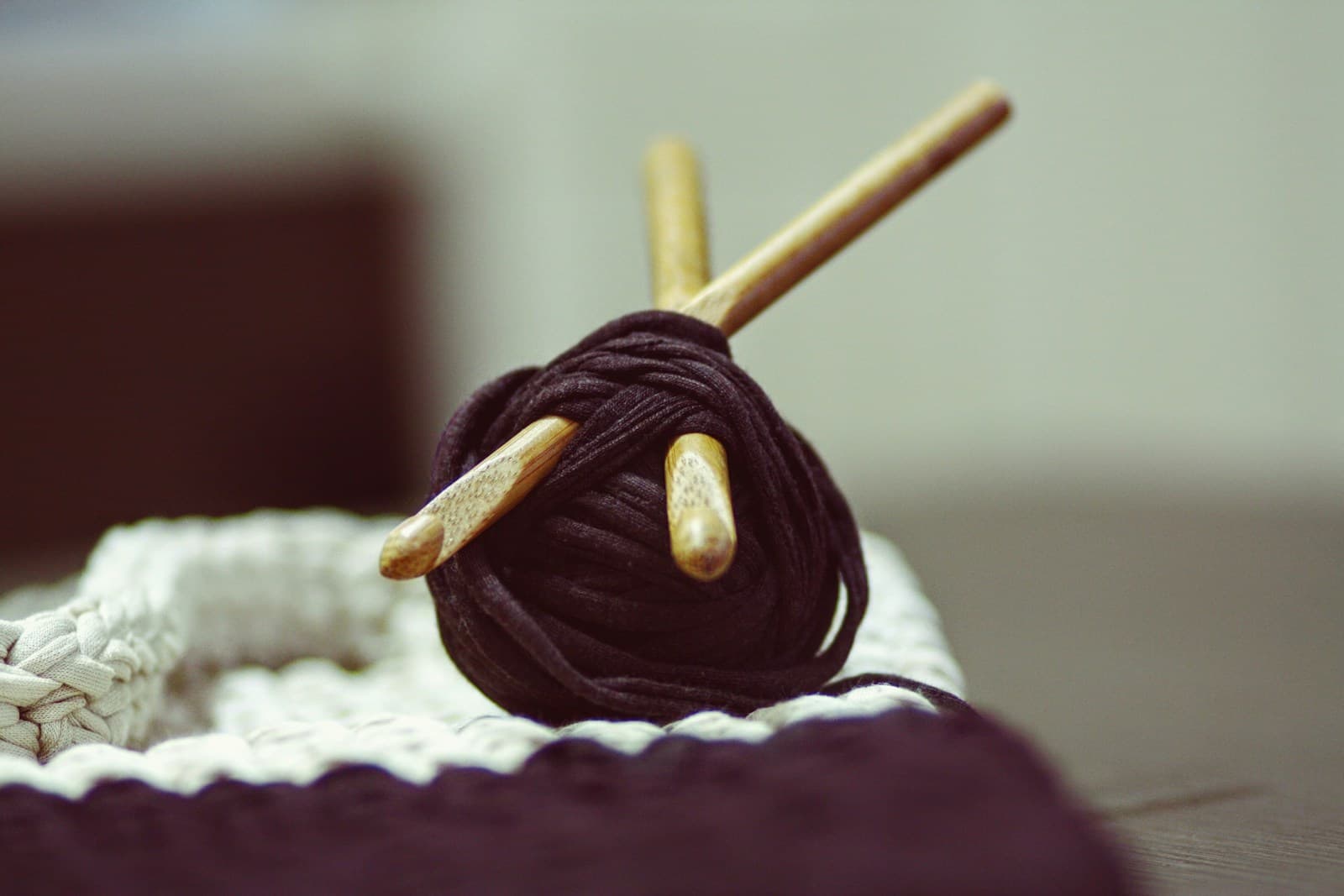
If you've already read the beginner toolkit list, you know you only need a hook or two to start. But which hook? Walk into a yarn shop and you'll find aluminum, bamboo, birch, acrylic, and rubber-gripped "ergonomic" hooks all sitting side by side, often within a dollar of each other.
The material isn't a gimmick — it changes friction, weight, warmth, and noise, and those change how you crochet. Here's what I wish someone had told me before I owned all of them.
Aluminum: fast, smooth, indestructible
Aluminum hooks are the classic. They're slick, so yarn glides quickly — great for taller stitches and for people who crochet loosely. They're also essentially unbreakable, machine-precise (a 5mm is a true 5mm), and the cheapest option in most stores.
The downsides: they're cold to the touch for the first ten minutes, they can click and squeak against yarn (some people love the sound; it drives others mad), and slickness cuts both ways. If your tension is naturally loose, slippery yarn on slippery aluminum can produce loose, floppy stitches you then fight to control.
Best for: most beginners as a default choice, anyone on a budget, and speed work.
Bamboo and wood: warm, quiet, grippy
Wooden hooks (usually bamboo, sometimes birch) grip yarn more than aluminum does. Stitches stay where you put them, which makes them forgiving while you're learning to keep even tension — dropped loops are far less common on wood.
They're also warm in the hand, quiet, and lightweight. The trade-offs: they're slightly slower to work with because of the friction, they can warp or snap if you sit on them (ask me how I know), and the surface can develop rough spots over years that snag yarn until you sand them down.
Best for: tight crocheters who need to relax their tension, learners who keep dropping loops, anyone sensitive to clicking sounds.
Ergonomic soft-grip: the joint-saver
Ergonomic hooks pair an aluminum or steel shaft with a soft rubber or polymer handle shaped to sit in your hand. The claim that matters isn't comfort cosplay — it's that the handle keeps you from gripping the bare shaft hard enough to strain your thumb and wrist during long sessions.
If you crochet more than an hour at a stretch, or you've ever felt a twinge at the base of your thumb after a long weekend of amigurumi, this is the category that matters. Brands like Clover Amour built a devoted following on exactly this. They cost a few dollars more per hook, which is still cheap compared to physio.
Best for: long sessions, anyone with wrist or thumb complaints, people with arthritis.
The head shape nobody mentions: inline vs tapered
Beyond material, the head shape changes crochet more than most articles admit:
- Tapered heads (Boyetype) have a rounded, gradually narrowing tip and a deeper throat. Yarn stays put; the hook "catches" more predictably, and loops sit lower.
- Inline heads (Susan Bates style) have a flat, straight-sided tip with a shallower throat. They encourage more uniform stitch height and make it harder to accidentally split your yarn.
Neither is better — but switching between them mid-project can subtly change your gauge, which is why your swatch and your hat disagree. If you've read the yarn and hook size guide, this is the missing variable behind mysterious gauge mismatches.
Quick comparison
| Aluminum | Bamboo/Wood | Ergonomic | |
|---|---|---|---|
| Speed | Fastest | Slower | Fast |
| Grip on yarn | Low | Medium-high | Medium |
| Warmth in hand | Cold at first | Warm | Warm |
| Noise | Clicks | Silent | Silent |
| Durability | Near-indestructible | Can snap | Very good |
| Price | Cheapest | Cheap | A few dollars more |
My honest recommendation
Buy one aluminum hook in 5mm and one ergonomic hook in 5mm — together they cost less than a single ball of luxury yarn. Spend an evening with each on a simple dishcloth (the easy cotton dishcloth pattern is perfect for this) and pay attention to three things: whether your stitches look even, whether your hand hurts, and whether you enjoyed the process.
The hook you reach for on day thirty is the one to buy more of. Hook material is personal in a way no review — including this one — can decide for you.
Frequently Asked Questions
Do more expensive crochet hooks actually work better? Not necessarily — price often reflects materials (wood, hand-finishing) or brand rather than functional performance. A mid-range aluminum or ergonomic hook performs perfectly well for the vast majority of projects; premium hooks are more about hand-feel preference than a meaningful speed or quality difference.
Can I mix hook materials within one project? Yes — using a different hook material for the foundation chain versus the body of a project (a common trick for loosening an overly tight starting chain) causes no issues, since hook material doesn't affect stitch structure once the yarn is off the hook.
How do I know when a hook needs replacing? A hook with a rough spot, a chip, or a bent tip should be replaced — any of these can snag yarn or cause inconsistent stitches. Aluminum and steel hooks rarely wear out under normal use; wood and bamboo hooks can develop rough spots over years of heavy use and benefit from a light sanding if so.
Keep going
- 01How to Fix Common Crochet Mistakes Before You Rip Everything OutRows shrinking, rows growing, twisted foundations, mystery holes — every common beginner crochet mistake, what actually caused it, and the smallest fix that works.tips8 min read
- 02How to Choose the Right Yarn and Hook Size (So Your Gauge Actually Matches)Yarn weight, hook size, and gauge explained simply, so your finished project comes out the size the pattern promised.tips4 min read
- 03The Beginner Crochet Toolkit: What You Actually Need (and What to Skip)Seven items cover 95% of what you'll ever need at the hook — and most of them cost less than a coffee. Here's the honest list, plus the gadgets you should leave on the shelf for now.tips5 min read