tips · beginner · 4 min read
How to Choose the Right Yarn and Hook Size (So Your Gauge Actually Matches)
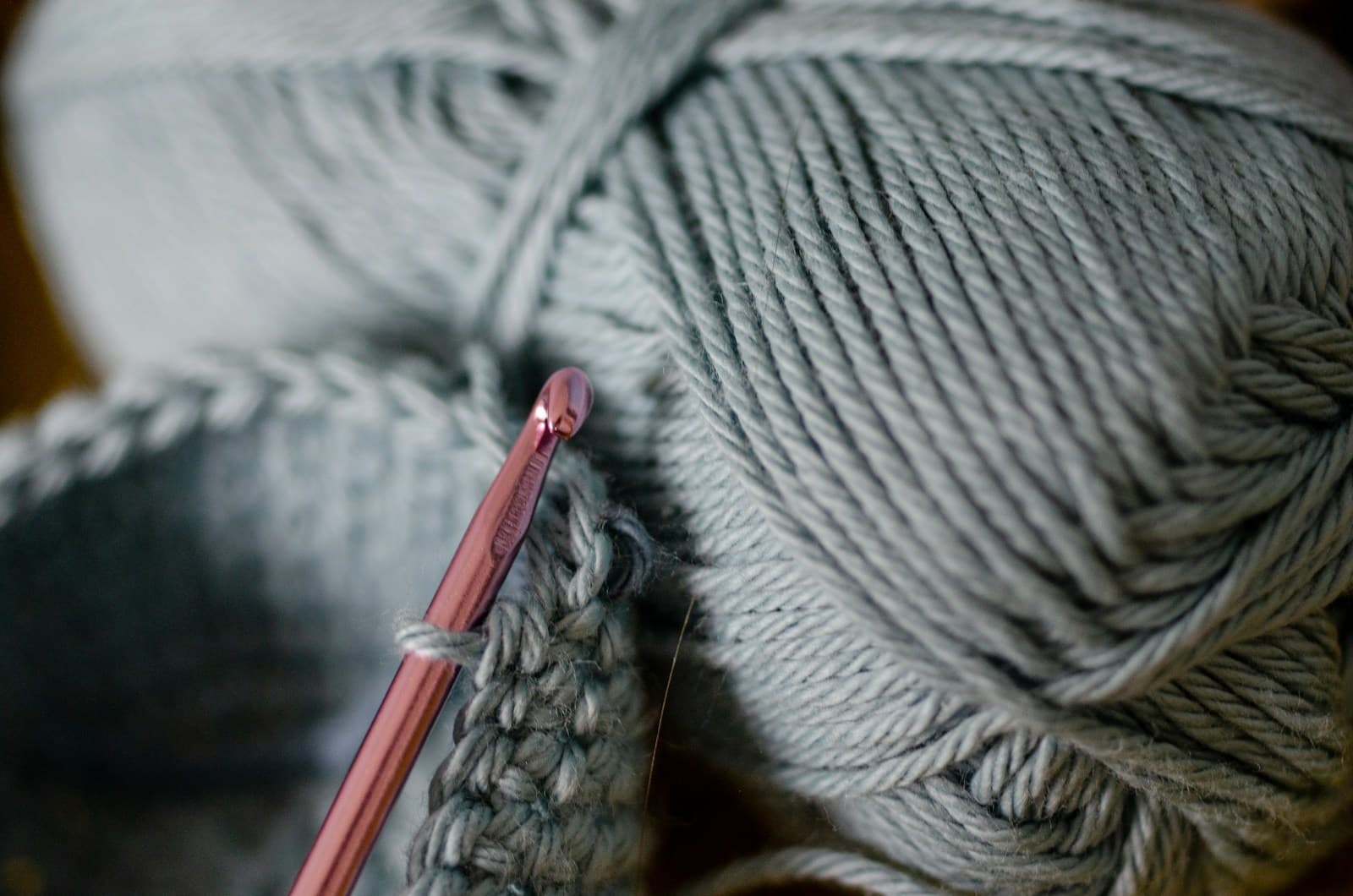
The single most common reason a finished project doesn't match the photo in a pattern is a yarn/hook mismatch. Here's how to avoid it.
Yarn weight categories
Yarn labels usually show a number from 0 to 7:
- 0-1 (lace/fingering): thin thread-like yarn, used for doilies and delicate shawls
- 2-3 (sport/DK): lightweight, good for baby items and lightweight garments
- 4 (worsted): the most common weight — used in most beginner patterns, blankets, and amigurumi
- 5-6 (bulky/super bulky): thick yarn that works up fast, great for chunky scarves and quick gifts
- 7 (jumbo): very thick, often crocheted with your arms instead of a hook
Matching a hook to your yarn
Every yarn label has a suggested hook size on the back — that's your starting point, not a strict rule. Amigurumi generally uses a hook one size smaller than recommended, to keep stitches tight enough that stuffing doesn't show through.
| Yarn weight | Typical hook size |
|---|---|
| Fingering (1) | 2.25-3.5mm |
| DK (3) | 3.5-4.5mm |
| Worsted (4) | 4.5-5.5mm |
| Bulky (5) | 5.5-6.5mm |
Why gauge still matters
Even with the "right" hook, everyone crochets a little differently. Before starting anything sized (a garment, a hat, anything that needs to fit), crochet a small swatch and count your stitches per inch against what the pattern lists. Adjust your hook up or down a size until your gauge matches, and you'll save yourself from unravelling a finished project that came out two sizes too big.
How to swatch without wasting yarn
A gauge swatch doesn't need to be sacrificed to the scrap pile — crochet a square roughly 5x5 inches (bigger than the 4x4 inch you'll actually measure, since edge stitches are always a little uneven), measure the middle 4 inches with a ruler or a dedicated gauge tool, then unravel the whole thing and use the same yarn for the actual project if your gauge matched on the first try. Only keep the swatch aside if you needed to change hook size, so you have a record of which size actually worked.
Reading the yarn label's other numbers
Beyond the weight number, most yarn labels list a suggested stitch and row count per 4 inches (often for knitting first, crochet second, or vice versa) and total yardage per skein. The suggested gauge is the manufacturer's reference point, not a guarantee — treat it the same way as the suggested hook size, as a starting point to confirm with your own swatch rather than a fact about how your finished project will turn out.
When to size down instead of up
Sizing down a hook isn't only for amigurumi — a firmer, less drapey fabric is also the right call for anything that needs structural rigidity: a market tote bag that needs to hold its shape under weight, or a coaster that shouldn't stretch under a hot mug. If a project's finished fabric feels too loose or floppy for its purpose, dropping a hook size before starting over is often a faster fix than switching yarn entirely.
Frequently Asked Questions
What happens if I use a hook that's too small for my yarn? The fabric comes out dense and stiff, uses more yarn than the pattern expects, and can be genuinely tiring on your hands over a long project since tight stitches take more force to work into.
Is it okay to always size up my hook for a softer fabric? For most projects, yes — a hook one size larger than the yarn label recommends is a common deliberate choice for drapier fabric. The exception is amigurumi, where a smaller-than-recommended hook is preferred specifically to keep stitches tight enough to hide stuffing.
Do I need a different hook for every yarn weight I own? Not strictly — many crocheters get by with 2–3 hook sizes covering the common weight ranges (fine, worsted, bulky) rather than a full set, and simply adjust tension slightly for yarns that fall between those sizes.
Keep going
- 01How to Fix Common Crochet Mistakes Before You Rip Everything OutRows shrinking, rows growing, twisted foundations, mystery holes — every common beginner crochet mistake, what actually caused it, and the smallest fix that works.tips8 min read
- 02Aluminum vs Bamboo vs Ergonomic Crochet Hooks: An Honest ComparisonThe material your hook is made from changes how you crochet more than you'd expect — speed, grip, noise, even how your joints feel after an hour. Here's how the main options actually compare.tips5 min read
- 03The Beginner Crochet Toolkit: What You Actually Need (and What to Skip)Seven items cover 95% of what you'll ever need at the hook — and most of them cost less than a coffee. Here's the honest list, plus the gadgets you should leave on the shelf for now.tips5 min read